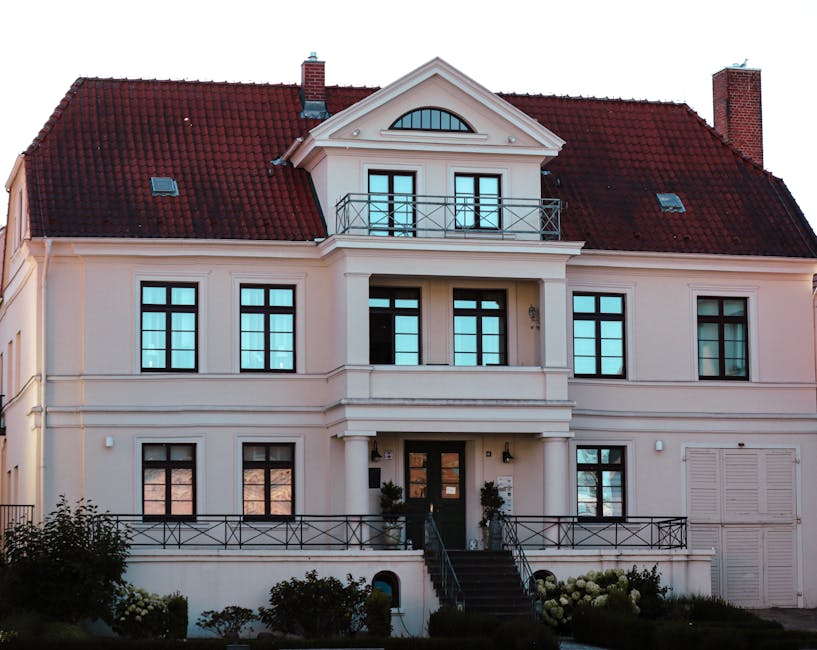
Estate Cleaning Guide for Sussex Gardens Residents
If you live on Sussex Gardens, you already know that presentation matters. The street has a polished, well-kept feel, and that standard carries through to the communal spaces, entrance halls, stairwells, bin areas, and exterior touches that shape day-to-day living. This estate cleaning guide for Sussex Gardens residents is designed to help you understand what good estate cleaning looks like, how it should be planned, and how to judge whether your building is being maintained properly.
Whether you are a resident, leaseholder, managing agent, or property representative, the goal is the same: a cleaner, safer, more welcoming estate that does not slowly drift into the "someone should really deal with that" category. Truth be told, that drift happens quickly if cleaning is vague, inconsistent, or left to chance.
In this guide, you will find a practical breakdown of estate cleaning standards, scheduling, common problem areas, compliance considerations, and a realistic step-by-step approach you can use immediately.
Why Estate Cleaning Guide for Sussex Gardens Residents Matters
Shared buildings work best when the basics are consistently right. A tidy entrance, dust-free skirting, clean handrails, and bin stores that do not smell like a summer heatwave make a noticeable difference to how residents feel about the property. On a street like Sussex Gardens, that matters not just for comfort, but for reputation too.
Estate cleaning is not simply about appearance. It also helps reduce avoidable wear, supports hygiene, and gives building managers a better chance of spotting small issues before they become expensive ones. A muddy footprint on a hallway mat may look minor, but the same neglect often shows up elsewhere: overflowing bins, blocked drains, greasy door handles, and neglected touchpoints.
For residents, the biggest benefit is often consistency. You do not want the building looking immaculate after one clean and then slipping backwards within days. A dependable cleaning routine keeps standards steady, which is especially useful in properties with frequent foot traffic, deliveries, guest visits, and shared access points.
If you are comparing service options for nearby household needs as well, you may also find it useful to explore a local services overview or book through a cleaner in Paddington when you need help beyond basic upkeep.
How Estate Cleaning Guide for Sussex Gardens Residents Works
Estate cleaning typically follows a scheduled, task-based routine. The exact scope varies by building, but the structure is usually similar: common areas are cleaned at agreed intervals, problem spots are checked more frequently, and seasonal or ad hoc tasks are added when needed.
A well-run estate cleaning plan usually includes the following zones:
- Entrance lobby and reception areas
- Stairwells, lift interiors, and landings
- Door handles, handrails, switches, and other high-touch points
- Communal floors, skirting boards, and edges
- Bin stores, refuse holding areas, and recycling points
- Exterior walkways, steps, and immediate frontage
- Noticeboards, glass panels, and internal doors
Good cleaning is both visible and invisible. The visible part is obvious: the building looks cared for. The invisible part is just as important: waste is managed correctly, slippery residues are removed, and surfaces are left in a condition that supports safer day-to-day use.
In practice, cleaners should work from cleaner to dirtier zones, top to bottom, and dry to wet where possible. That sounds simple, but it prevents a lot of problems. For example, if you clean the entrance last and drag grit back across the floor, you have just undone part of your own work. Efficiency matters.
Residents in the area often combine regular estate cleaning with occasional deeper work after tenancy changes, refurbishments, or seasonal peaks. In those cases, a broader service such as deep cleaning in Paddington or one-off cleaning support can be a sensible next step.
Key Benefits and Practical Advantages
Estate cleaning does more than keep a place presentable. Done properly, it improves how people use the building and how long shared finishes last. That can save money and reduce complaints. Not glamorous, but very useful.
| Benefit | What it means in real life | Why residents notice it |
|---|---|---|
| Better first impression | Entrances, lifts, and corridors look cared for | The building feels safer and more respectable |
| Improved hygiene | High-touch areas are cleaned routinely | Shared spaces feel fresher and more comfortable |
| Reduced wear and tear | Grit and residue are removed before they damage surfaces | Floors and fittings last longer |
| Fewer complaints | Standards are clear and predictable | Residents are less likely to raise repeated issues |
| Earlier problem spotting | Cleaners notice leaks, damage, or waste problems early | Small issues can be reported before escalation |
There is also a subtle but important social benefit. When shared spaces are clearly maintained, residents tend to treat them better. People are simply less likely to leave litter or ignore mess in a clean, orderly environment. It is one of those quiet effects that building managers appreciate, even if nobody puts it on a brochure.
If your building hosts guests, contractors, or short-stay visitors, presentation matters even more. In that case, the visual standard in entrances and shared circulation spaces should be high enough that guests never feel they are walking through a neglected block.
For event-related or seasonal occasions, residents sometimes like to acknowledge the standard of their community with thoughtful gestures. If that is relevant, local options such as send flowers in Paddington or flower delivery in Paddington W2 can help mark a thank-you, welcome, or condolence in a considerate way.
Who This Is For and When It Makes Sense
This guide is useful for a few different people, and each group tends to look at estate cleaning from a slightly different angle.
- Residents who want to understand what "good" looks like and how to raise concerns constructively.
- Leaseholders who want value for money and a sensible schedule for communal upkeep.
- Managing agents who need a practical framework for contractors and service levels.
- Landlords and block owners who want to protect the building's condition and reputation.
- Cleaning contractors who need a clear scope and consistent expectations.
It makes sense to review estate cleaning when the building starts showing recurring issues: dusty corners, fingerprints on glass, smells from waste areas, neglected stairwells, or complaints about the same spot never being cleaned properly. If that sounds familiar, the cleaning plan is probably too vague, too infrequent, or poorly supervised.
It also makes sense after a change in occupancy. New residents, refurbishments, or alterations to the bin storage routine can all change the workload. A plan that worked six months ago may already be out of date.
Step-by-Step Guidance
Here is a practical way to organise estate cleaning for Sussex Gardens properties without overcomplicating it.
1. Walk the estate as a resident would
Start by moving through the building from front to back. Do not inspect it like a contractor; inspect it like someone arriving home with shopping bags and a key that never seems to unlock on the first try. Look at the details people actually touch and see.
- Front steps and paving
- Doors, handles, push plates, and entry panels
- Hallway floors and edges
- Lift buttons and cabin walls
- Stair rails and landing corners
- Bin store cleanliness and odour
2. Decide the cleaning frequency
Some areas need daily or near-daily attention; others can run on a weekly or fortnightly cycle. The key is matching frequency to use, not just to budget.
- Daily or frequent: entrances, high-touch points, bin areas, heavily used lobbies
- Weekly: corridors, stairs, glass, skirting, lift interiors
- Monthly or seasonal: details, edges, behind fixtures, deep degreasing, exterior refreshes
3. Define the cleaning specification
A good specification is specific enough to measure. For example, "clean communal areas" is too broad. A better version would list floors, handrails, glass, bins, mats, and disinfection of shared touchpoints.
Specification documents should also clarify what is excluded, such as private flats, personal items left in communal areas, or specialist work like upholstery and carpet extraction. If carpets are part of the remit, a specialist service like carpet cleaning in Paddington may be needed separately.
4. Match tasks to the right products and methods
Not every surface wants the same treatment. That is one of the first things people learn the hard way. A glossy panel, for example, may show streaks if the wrong cloth or cleaner is used. A porous floor may need a gentler product than a tiled lobby.
5. Set reporting and sign-off habits
Keep simple records. Note completed tasks, exceptions, damage, safety concerns, or access issues. If a cleaner cannot access the bin store or a lift is out of service, that should be logged rather than guessed away.
6. Review the service regularly
Do a short monthly review with a contractor or building representative. Ask what is being missed, what is taking longest, and whether the current schedule still fits how the estate is used.
Expert Tips for Better Results
In estate cleaning, the smallest habits often make the biggest difference.
- Prioritise touchpoints first. A clean handrail and entry handle do more for perceived hygiene than an immaculate but ignored corner.
- Use walk-throughs after peak use. Early morning or late evening inspections often reveal the real condition of a block.
- Keep a "repeat issue" note. If litter appears in the same spot every week, the fix may involve bin placement or resident behaviour, not just more wiping.
- Use matting strategically. Good entrance mats reduce the amount of grit tracked into the building.
- Build in flexibility for seasonal grime. Rain, fallen leaves, salt residue, and holiday traffic all change the workload.
One detail that seasoned managers often value is consistency of finish. The same threshold should not look dramatically different from one visit to the next. If that happens, it usually means the task list is too loose or the cleaning is being done by whoever happens to be available.
Another smart habit is to keep communication straightforward. Residents rarely want long explanations; they want to know what is being cleaned, when, and how issues will be reported. Clear beats clever almost every time.
Common Mistakes to Avoid
Several problems recur in communal cleaning, and most of them are avoidable.
Assuming "regular" means "adequate"
A weekly visit might be enough for one quiet block and completely inadequate for another. Usage patterns matter far more than generic schedules.
Ignoring edge areas
Corners, skirting boards, stair edges, and the backs of doors are where neglect tends to show first. If those are clean, the whole building usually feels better maintained.
Letting bin areas become an afterthought
Waste spaces are not decorative, but they are highly visible in terms of odour and hygiene. When bin stores are poor, residents notice immediately.
Using the wrong products on shared surfaces
Too much chemical, the wrong dilution, or abrasive tools can damage fixtures and leave a dull finish. That is expensive in the long run and frustrating in the short run.
Failing to document access problems
If a cleaner cannot reach an area, it should be recorded. Otherwise, the same issue will recur, and nobody will know whether the failure was operational or contractual.
Skipping seasonal adjustments
Winter grit, spring pollen, summer dust, and autumn leaves all change what the building needs. A static plan ignores reality.
Tools, Resources and Recommendations
Most estate cleaning work relies on straightforward tools used well, not fancy equipment used poorly.
- Microfibre cloths for dusting and touchpoint cleaning
- Colour-coded mops and buckets to reduce cross-contamination
- Neutral cleaners for routine floor care where appropriate
- Degreasers for tougher waste-area cleaning
- Glass-cleaning tools for entrance glazing and internal panels
- Vacuum with suitable attachments for stairs, edges, and mats
- PPE such as gloves where needed for hygiene and safety
For service planning, the most useful resource is usually not a piece of equipment but a clear scope. A concise service brief, a rota, and a defect log will do more for long-term results than an impressive list of products.
Residents and managers may also want to keep a small checklist for the building's external presentation. If nearby events, memorials, or community occasions matter to your household, services like a local florist in Paddington W2 or funeral flowers in Paddington W2 can be relevant for considerate, place-appropriate gestures.
Where a broader understanding of local property upkeep is needed, it can also help to read about house cleaning in Paddington and spring cleaning support, especially if your estate cleaning needs overlap with private flat maintenance.
Law, Compliance, Standards, or Best Practice
Estate cleaning is not usually a heavily regulated activity in the way some specialist services are, but there are still practical duties and best practices worth respecting.
At a minimum, contractors and building managers should think carefully about:
- Health and safety for staff and residents
- Safe chemical use and correct dilution
- Manual handling when moving waste or equipment
- Slip risk during and after wet cleaning
- Access control to communal or restricted areas
- Waste handling and correct disposal practices
In the UK, good practice also means keeping risk awareness practical rather than theoretical. For example, a freshly mopped entrance should be signposted or managed so nobody skids across it in a hurry. That sounds obvious, but obvious things are where many operations get tripped up.
Building managers should also keep contracts and expectations clear. Residents do not need a legal lecture; they need certainty about service scope, complaints routes, and response times. If you use a contractor, it is sensible to confirm what is included, what is excluded, and who is responsible for escalation.
For trust and transparency, it helps when service providers make their policies easy to find. Relevant references may include health and safety guidance, insurance and safety information, and terms and conditions. Those pages are not exciting reading, admittedly, but they are useful when something needs confirming.
Options, Methods, or Comparison Table
Not every Sussex Gardens property needs the same cleaning model. The right option depends on traffic levels, budget, building size, and resident expectations.
| Method | Best for | Strengths | Limitations |
|---|---|---|---|
| Basic scheduled cleaning | Smaller or lower-traffic buildings | Cost-effective and simple to manage | May miss deeper dirt or seasonal build-up |
| Enhanced regular cleaning | Busy blocks with frequent use | Better touchpoint and waste-area control | Needs clearer supervision and scope |
| Periodic deep cleaning | Buildings needing restoration or reset | Deals with embedded dirt and neglected areas | Not a substitute for routine cleaning |
| Hybrid approach | Most mixed-use or mid-size estates | Balances daily upkeep with occasional intensive work | Requires careful scheduling |
For many residents, the hybrid model is the most sensible. It handles the everyday mess, then adds occasional deeper work where the block needs it. This is especially useful in buildings where some areas are heavily used while others are relatively quiet.
If your estate also sees occasional events, deliveries, or community gatherings, you may want to coordinate maintenance around those dates so cleaning does not clash with access or footfall.
Case Study or Real-World Example
Consider a modest residential block on Sussex Gardens with a shared entrance, internal staircase, lift, and bin store. Residents start noticing that the entrance floor looks dusty by midweek, the bin area smells stronger after collection day, and the stair rail picks up fingerprints that never seem to be addressed.
The initial cleaning arrangement is once a week. That was probably fine when the building had lower foot traffic. Over time, though, more parcel deliveries, more short visits, and more wet-weather use have changed the picture.
The building representative reviews the routine and adds a more practical schedule:
- Two quick weekly touchpoint cleans at the entrance and lift
- One full communal area clean each week
- More frequent bin-store attention
- Monthly detail cleaning for corners, skirting, and glass
Within a short period, resident complaints ease because the visible problems are being handled before they become chronic. The important lesson here is not that more cleaning is always better. It is that the schedule must match actual use. A block is not static; it changes with seasons, occupancy, and daily habits.
That simple adjustment is often the difference between a building that merely survives and one that feels properly looked after.
Practical Checklist
Use this checklist to review whether your estate cleaning setup is doing the job properly.
- Are entrance areas cleaned often enough for the building's foot traffic?
- Are handrails, switches, and handles included in the regular rota?
- Are bin stores cleaned and checked for odour, residue, or pest risk?
- Are stairwells, landings, and lift interiors included, not just the lobby?
- Are the right products used for the surfaces in your building?
- Is there a clear route for reporting damage or access problems?
- Are seasonal issues such as leaves, grit, or mud being addressed?
- Are cleaning results being reviewed rather than assumed?
- Are residents informed about the schedule when needed?
- Is there a separate plan for deeper or specialist work when required?
Quick takeaway: if you can answer "yes" to most of the points above, your building is probably on the right track. If not, the service needs sharpening rather than simply repeating.
Conclusion
For Sussex Gardens residents, good estate cleaning is not about polish for polish's sake. It is about creating a shared environment that feels cared for, works well, and stays that way. The best services are specific, consistent, and responsive to how the building is actually used.
Focus on the obvious touchpoints, bin areas, stairs, and entrances first. Then make sure the schedule, reporting process, and review cycle are all pulling in the same direction. That is how you move from a building that is "occasionally cleaned" to one that is properly maintained.
If you are deciding whether your current setup is good enough, ask a simple question: would a new resident or visitor immediately feel that the building is looked after? If the answer is no, there is room to improve.
Get a free quote today and see how much you can save.
If you are also planning a welcome, thank-you, or remembrance gesture for neighbours or a managing team, a thoughtful arrangement from a trusted Paddington flower delivery service can be a tasteful finishing touch.
Frequently Asked Questions
What is estate cleaning in a residential block?
Estate cleaning is the regular cleaning and upkeep of communal areas in a shared residential property. It usually covers entrances, hallways, stairs, lifts, bin stores, and other shared spaces.
How often should communal areas on Sussex Gardens be cleaned?
That depends on how much the building is used. Busy blocks may need several touchpoint visits each week, while quieter properties may manage with a lighter schedule plus periodic deeper cleans.
Is estate cleaning the same as domestic cleaning?
Not quite. Domestic cleaning focuses on private homes, while estate cleaning is aimed at shared building areas. The tools overlap, but the scope, access requirements, and responsibilities are different.
What areas are usually included in an estate cleaning contract?
Common inclusions are lobbies, stairwells, landings, lift interiors, handrails, entry glass, and bin areas. Some contracts also include external steps, mats, and periodic deep-clean tasks.
How do I know if my building needs a deeper clean?
If dirt is building up in corners, floors look dull, bin areas smell, or residents keep reporting the same issues, it is usually time for a deeper clean or a revised cleaning schedule.
Can estate cleaning help reduce complaints from residents?
Yes. Consistent cleaning reduces visible mess, odour, and friction around shared spaces. A clear schedule also helps residents feel that the building is being managed responsibly.
What should I ask before hiring a cleaning contractor?
Ask what is included, how often visits happen, what products are used, how access is handled, and how missed tasks are reported. Clear expectations prevent a lot of irritation later.
Do bin stores need special attention?
Absolutely. Bin stores are one of the highest-risk shared areas for odour and hygiene issues. They should be cleaned regularly and checked for spills, residue, and pest-related concerns.
Are there safety issues with estate cleaning?
Yes. Wet floors, cleaning chemicals, manual handling, and access control all need to be managed properly. Good contractors use sensible procedures and leave shared areas safe for residents.
What is the best way to compare cleaning options?
Compare not just price, but scope, frequency, reliability, and reporting. The cheapest option is not always the best value if it misses the areas that matter most.
Can residents request changes to the cleaning rota?
Usually, yes. If the building is getting busier or certain areas are consistently missed, residents or managing agents can ask for the rota to be reviewed and adjusted.
Where does deep cleaning fit into estate maintenance?
Deep cleaning is the reset button. It removes embedded dirt and tackles neglected areas, but it works best when paired with a regular cleaning schedule rather than replacing it.
How do I make sure the building stays clean after a professional visit?
Use entrance mats, keep bins managed properly, report issues early, and stick to a realistic cleaning schedule. A clean estate is easier to maintain than to rescue after the fact.