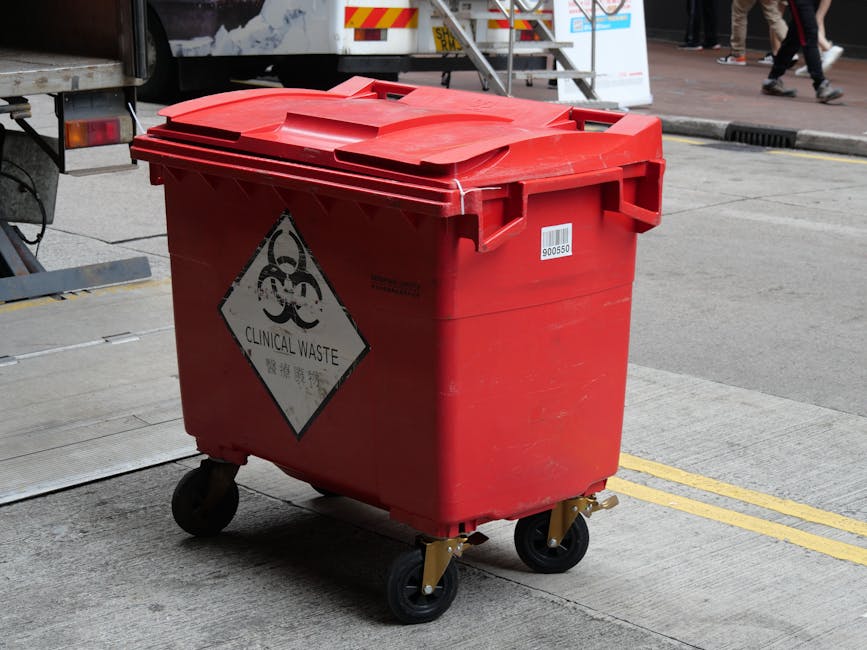
Westminster Council rules for hazardous waste in Paddington: what residents and businesses need to know
If you live or work in Paddington, hazardous waste can turn a simple clear-out into a stressful job very quickly. A leaking tin of paint, a broken fluorescent tube, an old bottle of bleach, leftover solvents after decorating, or a pile of batteries from an office drawer all need a bit more care than ordinary rubbish. The rules around Westminster Council rules for hazardous waste in Paddington are there to keep people safe, reduce contamination, and make sure waste is handled properly from start to finish.
This guide explains what counts as hazardous waste, how disposal usually works in practice, what mistakes to avoid, and how to stay on the right side of local expectations without making life harder than it needs to be. And, to be fair, that is often half the battle: knowing what you have before it becomes a problem.
Why Westminster Council rules for hazardous waste in Paddington Matters
Hazardous waste is not just "messy rubbish". It can be harmful because of its chemical, toxic, corrosive, flammable, or sharp properties. In a dense area like Paddington, where flats, offices, managed buildings, and basement storage spaces sit close together, the risks multiply if waste is left in corridors, mixed into general bins, or packed badly for collection.
The practical reason for following the rules is simple: safe handling protects cleaners, residents, building staff, waste crews, and anyone who might come into contact with the material afterwards. It also helps avoid contamination of recyclable waste, unpleasant odours, leaks, and fire hazards. If you have ever opened a storage cupboard and found a half-empty bottle of solvent or an old tub of unknown liquid, you will know the feeling. Little by little, it adds up.
Expert summary: The safest approach is always to identify hazardous items early, separate them immediately, keep them sealed, and arrange disposal through the correct local route rather than trying to treat them like everyday household rubbish.
For landlords, managing agents, office managers, and tenants at the end of a tenancy, the stakes are even higher. One wrongly disposed item can create avoidable delay, extra cost, or a complaint from the next occupier. If you are preparing a larger clear-out, it can help to pair waste sorting with services such as house clearance or a deeper property reset like deep cleaning, especially when the space contains mixed debris and cleaning residues.
How Westminster Council rules for hazardous waste in Paddington Works
The exact process can vary depending on the item and the type of property involved, but the general logic stays the same. Hazardous waste should be identified, separated, stored safely, and sent to an approved disposal route. That sounds neat on paper. In real life, it usually means sorting through cupboards, utility rooms, under-sink storage, maintenance stocks, and old cleaning kits before anything is moved.
In many homes and workplaces, the first question is whether the item is actually hazardous or simply inconvenient. A strong-smelling cleaner, an aerosol can, a broken mirror, and an old laptop battery are not all handled in the same way. Some items are classed as hazardous because they can react, leak, or cause injury. Others may be managed as small special wastes even if they do not look dramatic at all.
The smart way to approach it is to treat each item separately. If it is unknown, leaking, bulging, damaged, or labelled with warning symbols, do not mix it into a general rubbish bag. Keep it upright if possible, keep it sealed, and avoid puncturing, decanting, or mixing products. That last bit matters more than people think.
For cleaning-related waste, the line between "leftover chemical" and "safe disposal item" can be surprisingly easy to cross. A professional team handling a one-off clear-out may also need linked support from one-off cleaning or after builders cleaning if dust, plaster residue, adhesives, or packaging waste are part of the same job.
Key Benefits and Practical Advantages
Following the proper hazardous waste approach is not just about compliance. It makes the whole property safer and easier to manage.
- Reduces health risks: fewer chances of exposure to fumes, splashes, cuts, or contamination.
- Prevents accidental mixing: hazardous items are less likely to end up in normal bins or recycling.
- Protects staff and contractors: anyone handling the waste later has a clearer picture of what they are dealing with.
- Improves building order: sorted waste is easier to move, store, and remove without disruption.
- Supports responsible disposal: items are more likely to go through the right route first time.
There is also a financial benefit, though it is not always immediate. A well-managed waste stream tends to create fewer call-backs, fewer damaged items, and fewer "we need to sort this out again" moments. Let's face it, those moments are never fun, especially if you are already juggling a move, renovation, or office handover.
For some properties, the best results come when hazardous item removal is planned alongside routine cleaning. That can include domestic cleaning for homes, office cleaning for commercial spaces, or end of tenancy cleaning when a departure deadline is looming.
Who This Is For and When It Makes Sense
This guidance is useful if you are a tenant clearing cupboards, a homeowner dealing with renovation leftovers, a landlord between occupancies, or a facilities manager responsible for day-to-day waste control. It is also relevant to cleaners and contractors who may come across items that should not be treated as standard rubbish.
Here are the situations where hazardous waste sorting becomes especially important:
- moving out of a flat or house with old cleaning products in storage
- clearing paint, varnish, adhesives, or solvents after decorating
- disposing of batteries, lamps, or electrical components from an office
- emptying a shed, utility room, or basement cupboard
- managing post-refurbishment clutter where packaging and chemical residues are mixed together
- removing waste after a deep clean or a build-related clean-up
In our experience, the biggest mistakes happen when people assume that if something is small, it must be harmless. A tiny container of residue can be far more awkward than a larger item that is clearly labelled. That is why early sorting saves time later. It really does.
If the surrounding property needs careful attention too, it may be worth combining disposal planning with specialist support such as cleaners or a cleaning company that understands how to work safely around mixed waste and contamination.
Step-by-Step Guidance
A calm, methodical approach works best. If you are standing in a room full of old cleaning supplies and half-used cans, start small. One shelf at a time is fine.
- Identify the item. Check labels, symbols, condition, and whether the container is leaking, cracked, or swollen.
- Separate hazardous from non-hazardous waste. Do not put chemicals, aerosols, batteries, and sharp objects into the same bag as general rubbish.
- Keep everything in original containers where possible. This helps avoid confusion and reduces the chance of dangerous reactions.
- Store items upright and secure. Choose a cool, dry, well-ventilated place away from heat and children or pets.
- Do not mix products. Even familiar-looking liquids can react badly when combined. Bleach and other cleaners are the classic bad pair, and no one wants that smell in the hallway.
- Arrange the right disposal route. Use the appropriate local process, collection method, or specialist service for the item type.
- Keep a simple record if the waste is business-related. A basic note of what was removed and when can be useful for internal controls.
If you are dealing with a property reset after trade work, combining these steps with carpet cleaning or hard floor cleaning can help remove dust and residue that often hide around disposal points.
Expert Tips for Better Results
There are a few habits that make a big difference. They are simple, but they save stress.
- Sort before you carry. Once bags are moved around, labels get lost and leaks spread.
- Use a tray or box for questionable containers. It is a basic safeguard that helps if a bottle tips over.
- Keep a separate "unknowns" pile. If you cannot identify an item, do not guess and do not combine it with anything else.
- Take photos of damaged items. This can help later if you need to explain what was found or why it needed special handling.
- Plan disposal before the clean-up starts. A clear route removes the temptation to "just bin it for now".
One practical trick that helps in busy Paddington flats is to stage everything near the exit in a controlled way rather than leaving items scattered across rooms. Fewer trips. Less mess. Less chance of a wobble in the lift, which, honestly, is where many unnecessary accidents happen.
If you are also arranging post-renovation finishing touches, it can be useful to bring in window cleaning once dusty residue is gone, or oven cleaning if food-safe areas were affected by a broader clear-out.
Common Mistakes to Avoid
Most hazardous waste problems are not caused by dramatic events. They are caused by small, avoidable shortcuts.
- Mixing items together: this is the big one. Chemicals, batteries, and sharps should not be bundled loosely.
- Reusing food containers for chemical storage: it may look convenient, but it is risky and confusing.
- Ignoring leaks: a small drip can spread across bags, floors, and hands faster than expected.
- Leaving waste in shared areas: hallways and stairwells are not storage space.
- Assuming all "cleaning products" are safe to combine: labels matter, and so does caution.
- Forgetting about small items: batteries, bulbs, cartridges, and aerosol cans are easy to overlook.
A lot of trouble starts with the sentence, "I'll deal with it later." Truth be told, later often means the bag has split and the label has fallen off. Not ideal.
For properties with heavy use or shared access, better scheduling can help too. A professional team handling office cleaners work may coordinate around waste removal, while residential clients may pair disposal work with house cleaning or rug cleaning to reset the space properly.
Tools, Resources and Recommendations
You do not need a complex kit to manage hazardous waste safely. A few sensible items are enough for most households and small businesses.
- strong bin liners for non-hazardous waste only
- sturdy boxes or trays for sealed containers
- labels or marker pens for identifying contents
- disposable gloves where appropriate
- absorbent material for minor leaks, if it is safe to use
- a checklist for sorting items room by room
For larger moves, a trusted cleaner or a broader home cleaners service can help prepare the space once hazardous items have been removed. If the property contains soiled upholstery, old spill marks, or dust embedded in fabrics, it may also make sense to look at upholstery cleaning or sofa cleaning.
Useful internal planning can also be supported by pages that explain company standards and customer protections, such as health and safety policy, insurance and safety, and recycling and sustainability.
Law, Compliance, Standards, or Best Practice
Hazardous waste handling in the UK is governed by general legal duties around safe storage, transport, and disposal, plus local council expectations and site-specific requirements. The details can vary depending on the waste type and whether the material came from a home, rented property, office, or trade activity. So it is best to treat this as a compliance area rather than a guesswork exercise.
Good practice usually means three things. First, keep hazardous waste separate. Second, keep it identifiable. Third, make sure it reaches the correct disposal route without being contaminated or mishandled. That is the core standard whether you are clearing a single cupboard or managing waste for an entire building.
For businesses and landlords, record-keeping is often wise even where the law does not call for elaborate documentation at every step. It gives you a clearer paper trail, helps with internal audits, and reduces confusion if someone later asks what happened to a particular item. A simple log is often enough. No need to make it a novel.
If you are commissioning cleaning alongside waste removal, review relevant terms and service expectations in advance, especially where access, payment, or property condition may affect the job. Pages such as terms and conditions, payment and security, and pricing and quotes can help set clear expectations before anyone arrives on site.
Options, Methods, or Comparison Table
Different waste situations call for different approaches. The right method depends on volume, risk, access, and how mixed the waste is.
| Method | Best for | Strengths | Limitations |
|---|---|---|---|
| Home sorting and separation | Small amounts of clearly labelled items | Low cost, simple, quick to start | Needs care, space, and correct identification |
| Managed property clear-out | Flats, rentals, and cluttered rooms | Better for mixed waste and tight deadlines | Still requires proper hazardous segregation |
| Specialist cleaning plus disposal planning | Post-build, end-of-tenancy, or heavily used spaces | Coordinates cleaning, safety, and waste reduction | Needs more planning and scheduling |
| Business record-led disposal | Offices and managed sites | Supports compliance and internal control | Requires a little admin discipline |
For many Paddington properties, the most practical route is not one single method but a combination. A short clearance, a targeted clean, and careful sorting tend to work better than trying to do everything in one rushed pass. That sounds obvious. It often is, but people still rush.
Case Study or Real-World Example
Picture a Paddington rental flat after a long tenancy. There is a box of old batteries in a kitchen drawer, half-used household cleaners under the sink, a cracked aerosol can in a utility cupboard, and a decorated spare room with paint tins in one corner. Nothing dramatic on its own, but together it is the sort of mix that can stall a move-out if it is handled badly.
The sensible approach is to sort the items before the property is fully cleaned. Batteries go into one container, sealed liquids stay upright, aerosols are kept apart, and unknown products are left untouched until they can be identified. After that, the non-hazardous rooms are cleaned properly, the floors are checked for residue, and the kitchen and bathroom are reset. If there is dust or debris from repairs, the job may also call for after builders cleaning to remove the fine film that settles on counters and ledges.
What makes this approach work is not magic. It is sequencing. First safety, then sorting, then cleaning, then final checks. That order avoids people moving waste through freshly cleaned areas, and it avoids that slightly annoying problem where one room ends up tidy while another is still full of uncertain items.
By the end, the property feels calmer. You can hear the room again, if that makes sense - less clutter noise, less visual mess. It is a small thing, but it matters.
Practical Checklist
Use this as a quick pre-disposal check before you move anything out.
- Have I identified every item that could be hazardous?
- Are all chemicals still in their original containers where possible?
- Have I kept incompatible products separate?
- Are any containers leaking, crushed, or bulging?
- Have I protected the area from spills or knocks?
- Do I know what should stay out of general waste and recycling?
- Have I planned the disposal route before moving the items?
- Have I checked whether the property also needs a clean-up service afterwards?
- Do I need help with a larger clearance or a business premises?
- Have I kept a note of what was removed, if relevant?
If you answer "no" to a couple of these, pause and sort that out first. It takes less time than cleaning up a spill later. Much less.
Get a free quote today and see how much you can save.
Conclusion
Westminster Council rules for hazardous waste in Paddington are really about one thing: handling risky materials in a way that protects people and keeps properties manageable. Once you separate hazardous items early, store them safely, and choose the right disposal route, the whole process becomes much less intimidating.
For many homes and businesses, the best outcome comes from combining safe waste handling with the right cleaning support, whether that means a simple tidy-up or a more involved service for a move, office reset, or refurbishment. A little care at the start saves a lot of trouble later. And honestly, that is one of those rare jobs where doing it properly first time feels good all the way through.
If you are standing in front of a cupboard full of unknown bottles right now, take a breath. Sort the obvious items, set aside the doubtful ones, and move step by step. That is usually enough to get control back.
Frequently Asked Questions
What counts as hazardous waste in a Paddington home or flat?
Hazardous waste can include items such as chemicals, solvents, paint, aerosols, batteries, fluorescent tubes, sharp contaminated objects, and anything with warning symbols or leaking contents. If it could harm people or the environment when mishandled, treat it cautiously.
Can I put hazardous waste in my regular household bin?
No, not if it is genuinely hazardous. Mixed into normal rubbish, it can leak, react, or create a safety problem for collection crews and building staff. Keep it separate and use the correct route instead.
Do I need to keep hazardous items in the original container?
Usually, yes, if it is safe to do so. The original container helps identify the contents and reduce confusion. If a container is damaged, do not transfer the waste casually into another food or drink container.
What should I do with old paint tins and decorating leftovers?
Check whether the tins still contain usable liquid, are dry, or are partially full. Do not guess. Keep them sealed and separate from general waste. Larger decorating clear-outs often make more sense when paired with a broader clean-up plan.
Are batteries considered hazardous waste?
Many batteries need special handling because they can leak, overheat, or contaminate other waste. Keep them apart from household rubbish and do not leave loose batteries rattling around in a mixed bag.
What if I find an unknown bottle with no label?
Leave it alone if possible, store it safely, and do not mix it with anything else. Unknown chemicals are one of the most awkward things to handle because you cannot assume they are harmless. When in doubt, isolate them first.
Can I leave hazardous waste in a communal hallway while I sort it out?
No. Shared spaces are not suitable storage areas. In a block of flats, that can create fire risk, access problems, and complaints from neighbours. Keep the waste inside your own controlled area until you can move it correctly.
Is hazardous waste handling different for offices?
Yes, often it is. Offices may generate batteries, printer consumables, cleaning chemicals, broken electronics, and maintenance waste. Businesses should also think about documentation and internal responsibility, not just disposal.
Do I need a specialist service for a small amount of hazardous waste?
Not always. Very small, clearly identified quantities may be manageable through the proper local route. But if the items are mixed, damaged, leaking, or numerous, a specialist or organised clearance approach is usually safer.
How do cleaning services fit into hazardous waste removal?
Cleaning should generally follow safe waste removal, not replace it. Once hazardous items are out of the way, services such as domestic cleaning, office cleaning, or end of tenancy cleaning can help restore the property properly.
What is the biggest mistake people make with hazardous waste?
The biggest mistake is trying to speed through it. People mix items together, move them without checking labels, or leave them for later. That "later" is where the problems start. Slow, careful sorting is much safer.
When should I ask for help rather than handling it myself?
If the waste is leaking, unlabelled, bulky, or part of a larger clear-out, ask for help. It is also worth getting support when the property needs cleaning, access coordination, or a quick turnaround after builders or tenants have left.
For more information about the company, standards, and service expectations, you can also review about us, contact us, and the company's privacy policy if you are arranging a quote or enquiry.