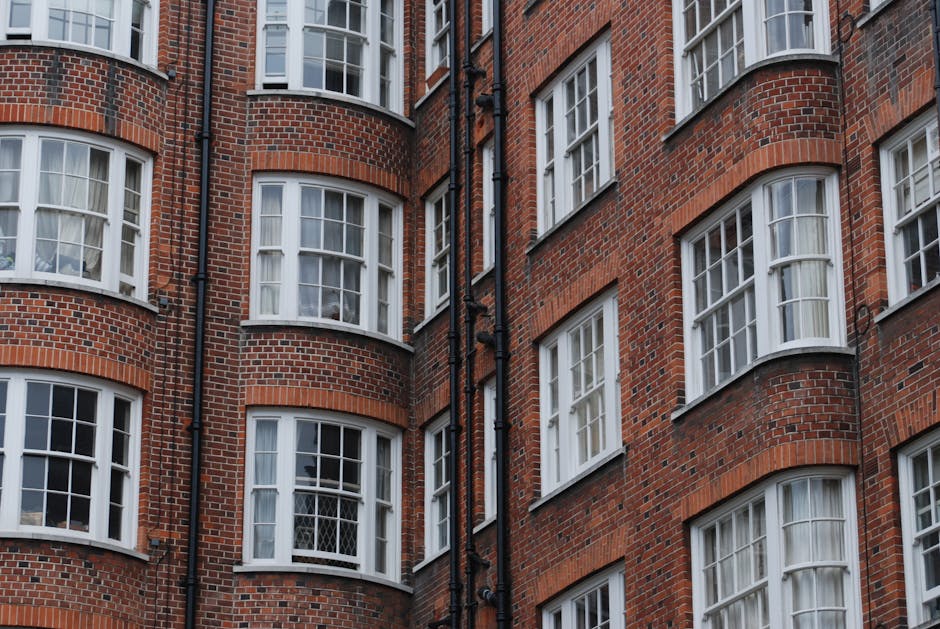
Cleaning tips for flats on Praed Street, Paddington
If you live in a flat on Praed Street, you already know the rhythm of the area: busy mornings, constant foot traffic, and homes that seem to gather dust faster than you can wipe it away. Cleaning tips for flats on Praed Street, Paddington are not really about making life perfect. They are about keeping a compact London home comfortable, manageable, and presentable without spending every spare hour with a cloth in your hand.
Truth be told, flats in central areas need a slightly different approach from larger suburban homes. Space is tighter, storage is usually limited, and the smallest messy corner can make the whole place feel crowded. In this guide, you'll find practical cleaning methods that suit real flats, not fantasy homes with endless cupboards and a utility room no one uses.
We'll cover the habits that matter most, how to clean efficiently room by room, where people usually go wrong, and when it makes sense to bring in extra help. You'll also find a checklist, a comparison table, and a few localised pointers that make day-to-day cleaning in Paddington a bit easier. Nothing flashy. Just useful, grounded advice.
Table of Contents
- Why cleaning matters in flats on Praed Street, Paddington
- How flat cleaning works in practice
- Key benefits and practical advantages
- Who this is for and when it makes sense
- Step-by-step guidance
- Expert tips for better results
- Common mistakes to avoid
- Tools, resources and recommendations
- Law, compliance, standards, and best practice
- Options, methods, and comparison table
- Case study or real-world example
- Practical checklist
- Conclusion
- Frequently asked questions
Why Cleaning tips for flats on Praed Street, Paddington Matters
Praed Street sits in a part of London where flats are often compact, well-used, and close to everything. That sounds convenient, and it is, but it also means dirt, dust, moisture, and clutter can build up quickly. Shoes track in debris from pavements and stations, windows collect city grime, and kitchens in smaller flats tend to show every spill. Small spaces are honest like that. They don't hide much.
Keeping a flat clean is not just about appearance. It affects how the home smells, how easy it is to relax in the evenings, and how much time you spend searching for things that ought to be in front of you. A tidy flat also feels easier to maintain. Once surfaces, floors, and storage areas fall behind, cleaning becomes a bigger job than it needs to be. That's the trap.
There's another local factor: many Paddington flats have a mix of old features and modern finishes. You might have sash windows, narrow hallways, laminate floors, carpets, or a kitchen squeezed into a very clever layout. Each of those surfaces needs slightly different care. A one-size-fits-all clean can leave streaks on glass, marks on timber, or residue on worktops. Not ideal.
Good cleaning habits matter even more if you share the flat, rent it, host guests, work from home, or are trying to protect a deposit before moving out. In those situations, the difference between "looks fine" and "actually clean" can be surprisingly obvious.
How Cleaning tips for flats on Praed Street, Paddington Works
Flat cleaning works best when you think in layers. First, you remove clutter and visible debris. Then you clean the surfaces people touch every day. After that, you deal with deeper tasks such as skirting boards, appliances, grout, and hidden corners. That order matters because cleaning around clutter is slower and usually less effective.
In practical terms, a good routine starts with the highest-impact rooms: kitchen, bathroom, and entrance area. Those are the places where hygiene, moisture, and first impressions overlap. Then move into living areas and bedrooms, where dust and clutter tend to accumulate more quietly. If you only have 30 minutes, focus on the surfaces that change how the flat feels immediately. A clear side table and a wiped sink can transform the mood of a room faster than a full deep clean no one has time for on a Tuesday evening.
It also helps to clean by task rather than by room in some cases. For example, you might go through the flat collecting rubbish first, then wipe all surfaces, then vacuum all floors. That reduces back-and-forth and is especially useful in smaller homes where every movement counts. Who wants to carry the same spray bottle from room to room ten times? No one.
For homes that need a reset after a busy period, a one-off clean or deeper service can be a practical option. If the job feels bigger than a regular tidy, looking at one-off cleaning for flats and homes may make more sense than trying to force a weekly routine to do everything.
Key Benefits and Practical Advantages
A clean flat is easier to live in. That's the simple version. But there are several practical benefits worth spelling out.
- Less daily stress: A flat with clear surfaces and clean floors feels calmer, especially after a long commute.
- Better use of limited space: Small flats on Praed Street often depend on organisation. Cleaning and decluttering go hand in hand.
- Reduced odours: Kitchens, bins, fabrics, and bathrooms are the main culprits. Regular attention keeps smells from settling in.
- Longer-lasting finishes: Dust, grease, and moisture can wear down surfaces over time if ignored.
- Better guest readiness: If friends drop by unexpectedly, a maintained flat is much easier to present well.
- Less deep-cleaning panic: Routine maintenance prevents the kind of build-up that turns a simple task into an all-day affair.
There's also a financial angle, especially for renters. A flat that is looked after tends to be easier to hand back in a decent state. If you're preparing for the end of a tenancy, a more thorough end of tenancy cleaning service can help align the property with typical letting expectations, which are usually stricter than people realise.
And yes, there is a psychological benefit too. A clean sink or a freshly vacuumed floor sounds minor until you notice how much lighter the room feels. Small wins add up. They really do.
Who This Is For and When It Makes Sense
These cleaning tips are useful for anyone living in a flat on Praed Street or nearby in Paddington, but they're especially helpful if you fall into one of these groups:
- Busy professionals who are often out of the flat and need a quick, efficient routine.
- Flat-sharers trying to keep shared spaces from becoming a negotiation every evening.
- Renters who need to keep on top of wear, odours, and tenancy standards.
- Home workers whose living space doubles as an office and needs to stay visually calm.
- Students or short-term residents who may not have many tools but still need a practical system.
- Landlords or property managers wanting a home that stays presentable between occupants or viewings.
It also makes sense if you're in a flat with limited storage. In a bigger house, it's easier to spread out cleaning products, laundry baskets, and clutter. In a compact Paddington flat, those things become obstacles very quickly. One laundry bag left by the door and suddenly the whole hall feels narrower. Funny how that works.
And if the place has been neglected for a while, you may need a more intensive reset before moving to maintenance mode. In that case, deep cleaning support can be a sensible starting point, especially for kitchens, bathrooms, and dusty corners you don't notice until the sunlight hits just right at 4pm.
Step-by-Step Guidance
If you want a flat-cleaning routine that actually sticks, follow a repeatable order. The aim is not perfection. It's consistency.
1. Start by clearing surfaces
Put away loose items first: post, bags, cups, cords, laundry, shoes, anything that has migrated. This is the quickest way to create visible progress. In small flats, clear surfaces change the whole feel of a room.
2. Deal with rubbish and recycling
Empty bins before they become a source of smell. Separate recycling properly and take bagged waste out regularly. If your flat has awkward bin storage or limited collection space, staying on top of this matters more than people think. A clean kitchen still feels off if the bin is overflowing. No surprise there.
3. Clean kitchen worktops and appliances
Wipe worktops, splashbacks, hob surfaces, handles, and appliance exteriors. Don't forget the kettle, toaster, and fridge door. In many flats, the kitchen is the first place where grease and crumbs show up, especially if you cook often or only have a small extractor fan.
4. Tackle the bathroom thoroughly
Use a bathroom-safe cleaner on the sink, taps, toilet, and shower screen or tiles. Pay attention to limescale around taps and soap residue around sinks. Bathrooms in flats often have less ventilation, so dryness is as important as cleaning. Leave the room aired out if you can.
5. Dust from top to bottom
Start high with shelves, picture frames, light fittings, and skirting edges, then move to lower surfaces. That way, dust falls onto areas you haven't cleaned yet. It's a small thing, but it saves time and frustration.
6. Vacuum and mop floors
Vacuum carpets, rugs, and edges where dust collects. For hard floors, use a properly damp mop, not a soaking one. Too much water can leave marks or damage some finishes. If you have mixed flooring, adapt as you go. That's the real trick.
7. Finish with the touchpoints
Wipe door handles, switches, remote controls, cupboard pulls, and desk surfaces. These are easy to forget and often the most frequently touched items. They make a surprisingly big difference to how fresh a flat feels.
A simple routine might look like this:
- Clear clutter.
- Empty bins.
- Wipe kitchen and bathroom surfaces.
- Dust high to low.
- Vacuum and mop.
- Check touchpoints and mirrors.
- Do a final walk-through.
That last walk-through is underrated. You notice the stray cup, the towel on the chair, the smudge on the mirror. Always the mirror.
Expert Tips for Better Results
Here are the habits that make flat cleaning easier, cleaner, and far less irritating.
Use the "one room, one caddy" principle
Keep the essentials together in one basket or caddy so you are not hunting for products mid-task. Even in a small flat, misplaced supplies slow everything down. A compact set of cloths, spray, gloves, and a scrub pad is often enough.
Work with the layout, not against it
In Praed Street flats, corridors, bathrooms, and kitchens can be narrow. Clean in an order that avoids walking over freshly cleaned floors. Start at the farthest point and move towards the exit. It sounds obvious, but people forget and then they're back on the floor with footprints. Annoying, really.
Don't let the kitchen become a weekend project
Grease on splashbacks and crumbs under appliances build up slowly. A five-minute wipe after cooking is far easier than trying to scrub hardened residue later. That little habit saves a lot of grief.
Keep fabrics under control
Soft furnishings hold dust and smells. Regularly wash throws, cushion covers, tea towels, and bath mats. If your sofa or rug has started holding onto odours, specialist sofa cleaning or rug cleaning can be more effective than repeated surface spraying.
Use ventilation intelligently
Open windows where practical, especially after bathroom cleaning or cooking. Even a few minutes helps reduce lingering moisture and stale smells. In busy city flats, fresh air can make the whole place feel reset.
Schedule deep tasks, not just daily tidying
Even well-kept flats need occasional heavier work: oven cleaning, carpet care, dusting behind furniture, and clearing build-up in bathroom corners. For kitchens in particular, oven cleaning can make a dramatic difference to both appearance and smell.
Expert summary: The best flat-cleaning routine is the one you can repeat without dreading it. Keep it short, keep it structured, and reserve heavier jobs for a planned deep clean rather than letting them pile up.
Common Mistakes to Avoid
Most cleaning problems in flats are not caused by laziness. They're caused by doing things in the wrong order, using too much product, or ignoring the same awkward spot every week because it's inconvenient.
Cleaning around clutter instead of removing it
This slows everything down and makes the flat feel half-done. Put things away first, even if it feels like the boring bit. It pays off immediately.
Using too much water on floors
Over-wetting hard floors can leave streaks, residue, or long drying times. In some flats, it can also be a nuisance in hallways or near thresholds. A damp mop is usually enough.
Skipping high-touch areas
Light switches, handles, and remote controls get ignored far too often. These are small surfaces, but they influence how clean the flat feels. Funny how the tiny things are the ones you notice most.
Forgetting hidden build-up
Behind bins, under sofas, around taps, and along skirting boards are classic trouble spots. If you only clean what you see at eye level, the job never quite feels finished.
Mixing random products
Read labels carefully and avoid combining products unless you know they are meant to be used together. That is basic safety, not fussiness. If you are unsure, stick to one cleaner at a time and rinse as directed.
Leaving laundry and dishes to "later" too often
In small flats, delayed washing quickly becomes visible clutter. One chair used as a wardrobe and one sink used as storage. We've all seen it. Better to do a small load more often than face a mountain at the weekend.
Tools, Resources and Recommendations
You don't need a cupboard full of gadgets. In fact, too many cleaning products usually make flat cleaning harder, not easier. A sensible setup is better.
| Item | Best use | Why it helps in a flat |
|---|---|---|
| Microfibre cloths | Dusting, wiping, polishing | Reusable, effective, and good for small storage spaces |
| Multi-surface cleaner | Daily wipe-downs | Simple for kitchen counters, furniture, and touchpoints |
| Bathroom cleaner | Sinks, tiles, taps, shower areas | Helps manage limescale and soap residue |
| Vacuum with attachments | Floors, edges, upholstery | Useful in narrow corners and under furniture |
| Mop or flat mop | Hard floors | Better control in compact rooms and hallways |
| Bucket or caddy | Product organisation | Keeps tools together when space is limited |
For more specialised jobs, it can help to match the tool to the surface. For example, window cleaning is usually best done with proper glass tools rather than kitchen roll and optimism. Likewise, carpet cleaning or upholstery cleaning can refresh areas that regular vacuuming can't fully reach.
If you are comparing service options, it's worth looking at what is included, how access is handled, and whether the provider is set up for residential work in smaller London flats. A reputable cleaning company should be able to explain methods clearly rather than speaking in vague promises.
You may also want to review broader house care services depending on the condition of the flat. Some places benefit from domestic cleaning, while others need a deeper reset or specialised treatment for ovens, carpets, or after-renovation dust. There's no medal for forcing every job into the same routine.
Law, Compliance, Standards, and Best Practice
For residents, cleaning a flat is usually about hygiene, maintenance, and lease responsibilities rather than formal compliance. Still, there are a few sensible best-practice points to keep in mind.
If you rent, your tenancy agreement may set expectations around cleanliness, rubbish disposal, and returning the property in a reasonable condition. It is always wise to read the agreement carefully rather than assume normal wear and tear covers everything. In practice, letting standards often focus on whether the property has been kept reasonably clean and free from avoidable damage or staining.
If you use a cleaning service, check basic trust factors such as insurance, safety processes, and payment security. These are not glamorous topics, but they matter. A company with clear policies and sensible procedures is usually easier to work with, especially in occupied flats with tight access. Pages like insurance and safety information and payment and security details are worth reviewing before you book anything.
From a general safety perspective, good practice includes:
- keeping cleaning products stored away from children and pets;
- not mixing products unless the label explicitly allows it;
- ventilating rooms where possible;
- using gloves when appropriate;
- following manufacturer guidance on delicate surfaces.
If you are arranging regular help, it can also be sensible to understand the provider's terms, complaints process, and privacy approach. That sounds a bit formal for a cleaning article, maybe, but it's part of a trustworthy service relationship. You can usually find this sort of information in the company's terms and conditions, complaints procedure, and privacy policy.
Options, Methods, and Comparison Table
Different flats need different cleaning approaches. A quick weekly tidy is useful, but it does not replace a proper deep clean. Likewise, a full deep clean is excellent once in a while, but it is not always realistic every week.
| Method | Best for | Strengths | Limitations |
|---|---|---|---|
| Daily reset | Busy residents, shared flats | Fast, easy to repeat, keeps clutter under control | Won't remove deeper dirt or build-up |
| Weekly clean | Most occupied flats | Balances effort and maintenance well | Needs consistency to stay effective |
| Deep clean | Move-ins, neglected flats, seasonal resets | Handles corners, build-up, and neglected areas | More time-intensive |
| Professional service | Time-poor residents, tenancy changes | Useful when the job is bigger than your schedule | Costs more than doing it yourself |
For many people in Paddington, the best answer is a blend: light daily tidying, weekly cleaning, and occasional specialist help for problem areas like ovens, carpets, and windows. That mix is usually more sustainable than trying to keep a flat spotless all the time, which, let's face it, is not a realistic standard for most human beings.
If your flat has signs of wear after renovations or decorating, an after builders cleaning service can save a lot of time. Dust from building work tends to get everywhere, even places you thought were sealed off. It has a talent for that.
Case Study or Real-World Example
Here's a common scenario. A two-bedroom flat near Praed Street is being used by two professionals with different schedules. One works early shifts, the other gets home late. The flat is tidy enough at first, but over a few weeks the kitchen counters start collecting mail, one bathroom shelf becomes a dumping ground, and dust gathers along skirting boards and behind the sofa.
What changed the situation was not a huge cleaning overhaul. It was a reset of the routine:
- a five-minute evening clear-up after dinner;
- designated spots for keys, post, and work bags;
- a weekly bathroom and kitchen deep wipe;
- fortnightly vacuuming under furniture;
- monthly attention to the oven, windows, and soft furnishings.
After that, the flat felt calmer and easier to maintain. Nothing magical, just structure. The residents also stopped leaving cleaning products in three different cupboards, which, honestly, made a difference all by itself.
In another case, a small rented studio in Paddington needed help before a change of tenancy. The main issues were bathroom limescale, kitchen grease, and carpet dullness. A standard surface clean was not enough, so the approach shifted to more focused tasks: oven cleaning, carpet care, and detailed attention around handles, skirting, and shower fittings. That kind of response is common in smaller London flats, where compact layouts show every missed spot.
Practical Checklist
Use this checklist for a simple but effective flat-cleaning routine:
- Declutter surfaces before cleaning.
- Empty bins and take out rubbish regularly.
- Wipe kitchen worktops, splashbacks, and appliance fronts.
- Clean the sink, toilet, taps, and shower area.
- Dust shelves, frames, lights, and skirting boards.
- Vacuum carpets, rugs, and corners.
- Mop hard floors with minimal water.
- Clean mirrors and glass surfaces.
- Wipe switches, handles, and other touchpoints.
- Wash tea towels, bath mats, and other soft fabrics.
- Check under furniture and behind bins.
- Air rooms out when possible.
- Review any areas needing specialist cleaning.
If the list feels long, split it across the week. That is often the smartest way in a flat. A little each day beats one exhausting weekend every time.
Conclusion
Cleaning a flat on Praed Street, Paddington is really about working smart with the space you have. Smaller homes need routines that are quick, repeatable, and suited to city living. Start with clutter, focus on high-use rooms, and give the kitchen, bathroom, and floors the attention they deserve. After that, build in the deeper jobs before they become a problem.
The best cleaning plan is the one that fits your life, not an unrealistic ideal. If you keep on top of the basics, your flat will feel fresher, easier to live in, and much less overwhelming on a rainy London evening when everything outside is grey and you just want home to feel calm.
If you'd like help with a bigger clean, a tenancy reset, or a specialist job that needs more time than you can spare, it makes sense to compare options and ask clear questions before booking.
Get a free quote today and see how much you can save.
And remember: a well-kept flat does not have to be perfect. It just has to feel like a place where you can breathe a bit easier.
Frequently Asked Questions
How often should a flat on Praed Street, Paddington be cleaned?
For most people, light cleaning works best every few days, with a fuller clean once a week. Kitchens and bathrooms may need attention more often if the flat is busy or shared.
What is the fastest way to make a small flat look clean?
Clear surfaces, empty bins, wipe the kitchen and bathroom, and vacuum the floors. Those four actions usually make the biggest difference in the shortest time.
Do I need deep cleaning or regular cleaning?
If the flat is generally tidy and you're maintaining it week by week, regular cleaning may be enough. If there is built-up grease, limescale, dust in corners, or a move-out deadline, deep cleaning is usually the better choice.
What areas are easiest to forget in a flat?
People often forget behind bins, under beds, around taps, skirting boards, light switches, and the tops of cupboard doors. These spots quietly collect dust and grime.
How can I stop my flat from smelling stale?
Empty bins regularly, wash fabrics, clean the kitchen sink, ventilate rooms where possible, and avoid leaving damp laundry sitting around. Odours usually come from a few repeat sources rather than the whole flat.
Are professional cleaning services worth it for a small flat?
They can be, especially if time is short, the flat needs a reset, or you are preparing to move out. A compact flat can still take a lot of effort if it has been neglected.
What should I clean first in a flat?
Start with clutter and rubbish, then move to the kitchen and bathroom, then dust and floors. That order gives you the best visible progress without undoing your own work.
How do I clean a flat without spending all day on it?
Break the work into short tasks. Ten minutes after cooking, ten minutes in the bathroom, and a quick vacuum later in the week often works better than waiting for a perfect free afternoon.
Is it better to clean room by room or task by task?
Both can work. Room by room is easier for beginners, while task by task can be faster in small flats. Many people use a mix: rubbish first, surfaces second, floors last.
What should I check before booking a cleaning company?
Look at what is included, whether the company is insured, how payments are handled, and whether their policies are clear. It's also sensible to check the terms and complaints process before you book.
Can I clean a flat properly with just a few tools?
Yes. A few microfibre cloths, a vacuum, a mop, and suitable surface cleaners are enough for most regular maintenance. You do not need a crowded cupboard full of products.
What if my flat has carpets, sofas, or curtains that hold dust?
Vacuuming helps, but some fabrics need more than that. Carpet, sofa, and upholstery care can be useful where dust, odours, or marks have settled in. That is especially common in lived-in London flats.